


E-Water
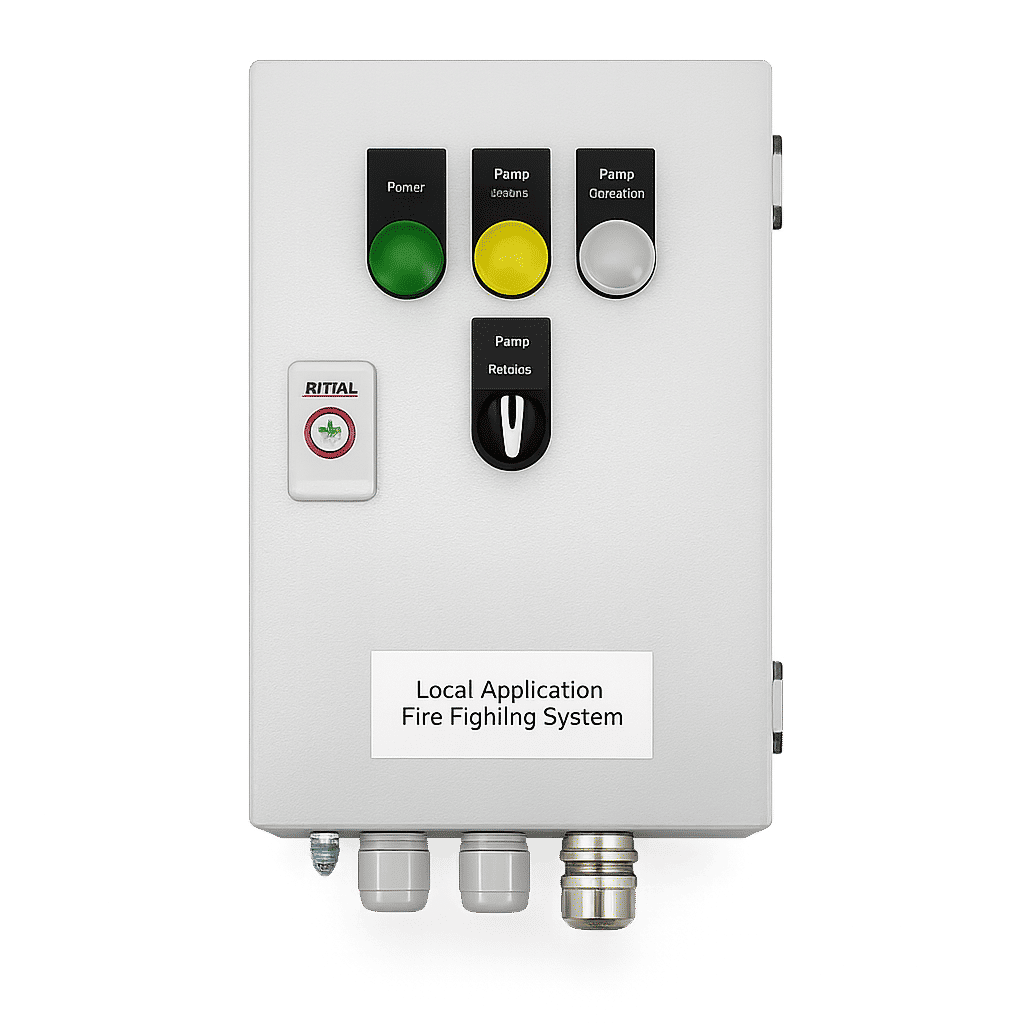
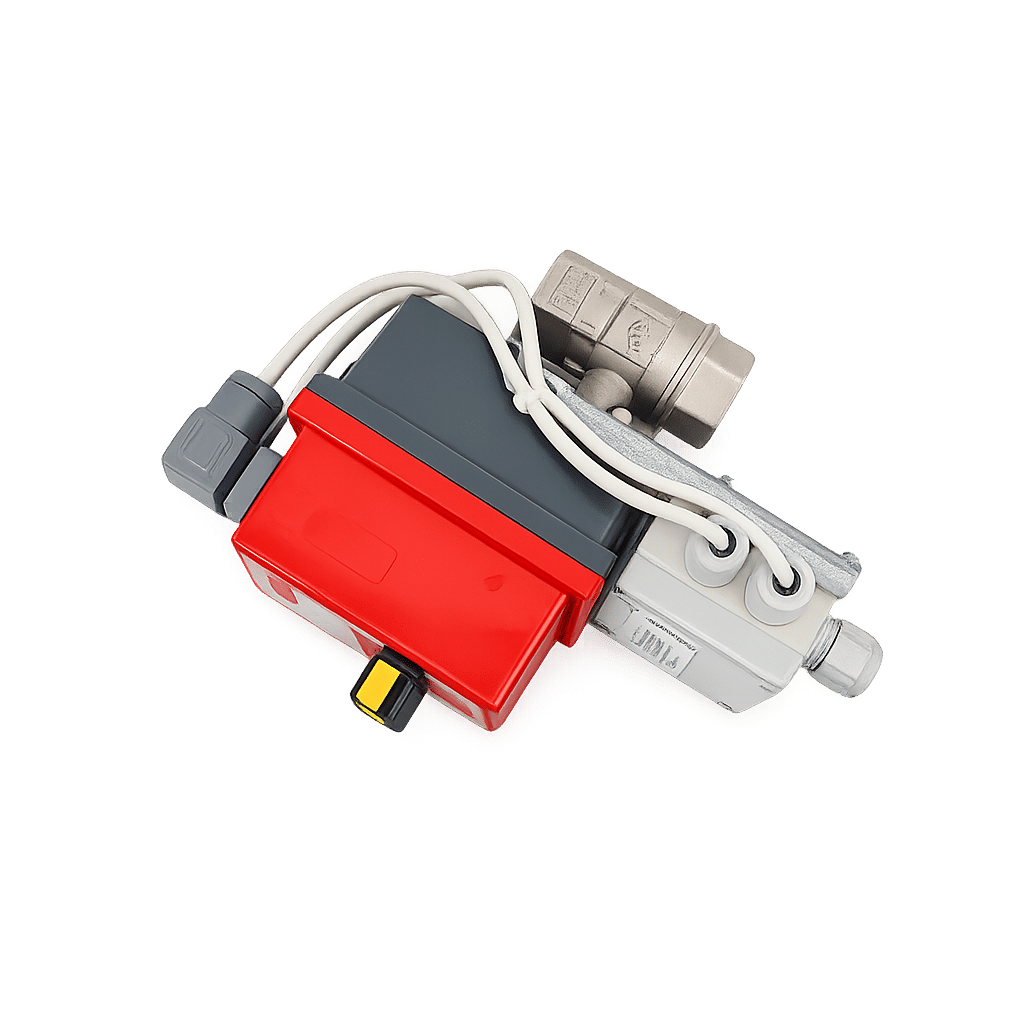
The E-WATER Water-Based Fire Protection Control System is an intelligent monitoring and control solution designed for sprinkler, deluge, and water flooding fire protection systems in marine, offshore, and industrial environments. Built around the CP-110 control panel, the system provides centralized supervision, alarm management, and release control, ensuring reliable fire protection performance and complete system transparency.
Specifications
| Parameter | Value |
|---|---|
| Equipment | Water-Based Fire Protection Control System |
| System Name | E-WATER |
| Control Panel | CP-110 |
| Fire Protection Types | Sprinkler, Deluge & Water Flooding Systems |
| Control Functions | Monitoring, Alarm Management & Release Control |
| System Architecture | Modular & Expandable |
| Operation Modes | Manual & Automatic Release |
| Applications | Marine, Offshore & Industrial Facilities |
Technical specification
| Parameter | Specification |
|---|---|
| System Type | Water-Based Fire Protection Control System |
| Control Panel | CP-110 |
| Supported Systems | Sprinkler Systems, Deluge Systems, Water Flooding Systems |
| System Architecture | Modular & Expandable |
| Release Functions | Manual & Automatic |
| Monitoring Functions | Real-Time System Monitoring |
| Alarm Functions | Integrated Alarm Management |
| Status Indication | System Status, Alarm & Fault Display |
| Communication Interfaces | Potential-Free Contacts |
| Communication Protocols | Modbus RTU, Modbus TCP |
| Configuration Method | On-Site Configuration via Control Panel |
| Application | Marine & Industrial Fire Protection |
System functions
The E-Water system integrates complete monitoring and actuation capabilities into a centralized marine safety control network: 1. Centralized Monitoring: Provides continuous real-time supervision of water pressure, pump operating status, valve positions, tank levels, and system power supply across all protected zones. 2. Automatic Release Control: Automatically initiates water mist or deluge valve activation upon receiving confirmed fire alarm signals from connected flame, smoke, or heat detectors. 3. Manual Release Operation: Features local and remote manual activation switches for instant operator intervention during emergency situations. 4. Alarm & Fault Management: Displays visual and audible status alerts, line fault supervision, loop communication status, and event logging for complete system diagnostics.
Applications
- Marine Vessels
- Offshore Platforms
- Engine Rooms
- Machinery Spaces
- Cargo Pump Rooms
- Accommodation Areas
- Electrical Equipment Rooms
- Industrial Manufacturing Facilities
- Warehouses
- Utility Plants
- Chemical Processing Facilities
- Special Hazard Protection Areas
Features
- Intelligent water-based fire protection control system
- Supports sprinkler fire suppression systems
- Supports deluge fire protection systems
- Supports water flooding systems
- Centralized monitoring and control via CP-110 panel
- Modular and expandable architecture
- Manual and automatic release functions
- Real-time alarm and fault indication
- Integrated monitoring outputs
- User-friendly operator interface
- On-site system configuration capability
- Modbus RTU and Modbus TCP communication support
- Suitable for marine and industrial environments
Benefits
- Improves fire protection system reliability
- Provides centralized fire suppression management
- Enhances operator awareness through real-time monitoring
- Supports flexible system expansion
- Simplifies installation and maintenance
- Enables seamless integration with automation systems
- Improves emergency response capability
- Suitable for newbuild and retrofit projects
- Reduces operational downtime through fault diagnostics
- Supports compliance with marine and industrial fire safety standards
Communication & integration
The E-WATER system supports integration with:
- Fire Detection & Alarm Systems
- Vessel Automation Systems
- Building Management Systems (BMS)
- PLC-Based Control Systems
- SCADA Monitoring Platforms Remote Monitoring Stations
Communication Interfaces:
- Potential-Free Contacts
- Modbus RTU
- Modbus TCP