
Understanding Static Hazards in FIBCs
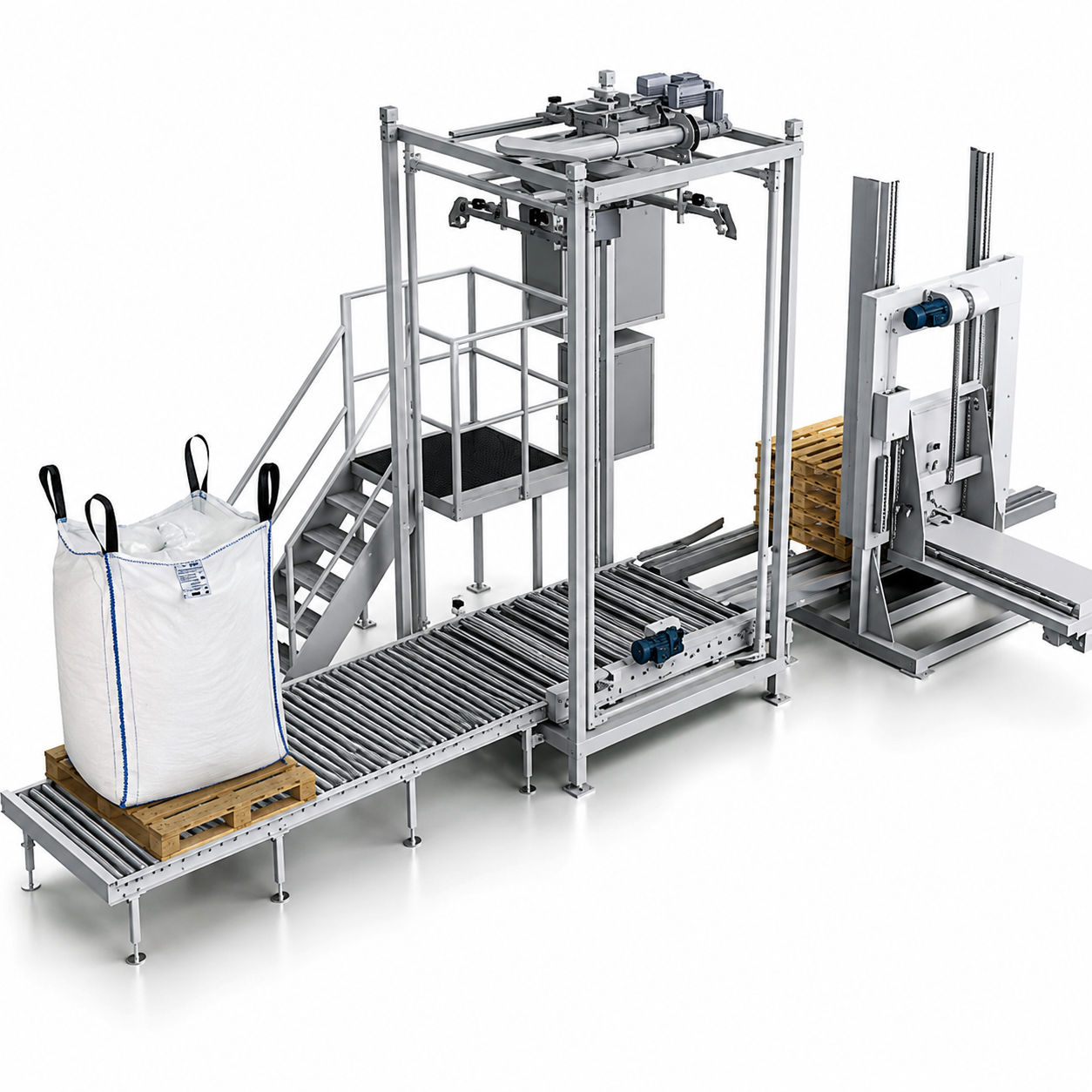
Flexible Intermediate Bulk Containers (FIBCs) are large fabric bags, typically made of polypropylene, used for transferring powders or granular materials. They are more convenient than rigid IBCs as they can be collapsed after use, saving storage space. The rapid movement of product during filling or emptying FIBCs, often at rates of 300kg to 500kg in 30 seconds or less, can generate significant electrostatic charges. This accumulated charge seeks a conductive path to ground, and if released in a combustible atmosphere, can cause ignition.
The risk of electrostatic discharges is well-documented in best practice standards like IEC TS 61340-4-4 and NFPA 77. These standards provide guidance for the safe use of FIBCs in hazardous zones/locations and are critical for fire and explosion prevention.
Types of Electrostatic Discharges
- Spark Discharge
- Brush Discharge
- Propagating Brush Discharge
- Bulking Brush Discharge
Grounding Requirements for Type C FIBCs
For Type C FIBC bags, the standards specify maximum resistance levels to prevent static accumulation: 1 x 10^8 Ohms (100 Meg-Ohms) according to IEC TS 61340-4-4, and 1 x 10^7 Ohms (10 Meg-Ohms) according to NFPA 77. These targets are crucial for Ex/HAZLOC engineers in protecting against static electricity and ensuring safety.
Classification of FIBCs
IEC TS 61340-4-4 classifies FIBCs into four types (Type A, Type B, Type C, and Type D) based on their construction, intended operation, and performance requirements. Certified bags carry identification tags specifying their type and other relevant information. It is crucial that bags are qualified exactly in accordance with IEC TS 61340-4-4 procedures to be legitimately labeled as such.
Type A FIBC Bags
Type A FIBC bags are generally made from plain polypropylene or other non-conductive materials. They do not have mechanisms for dissipating static electricity, leading to electrostatic hazards and the potential for highly energetic propagating brush discharges. Therefore, Type A FIBCs must not be used to store or transport combustible materials or in flammable/combustible environments.
Type B FIBC Bags
Similar to Type A, Type B FIBC bags are made from non-conductive materials but feature a low breakdown voltage, which helps mitigate propagating brush discharges. However, they cannot dissipate electrostatic charge, meaning normal brush discharges can still occur with enough energy to ignite flammable solvent vapors. Type B FIBCs are only suitable for transporting ‘dry’ flammable powders in the absence of a flammable atmosphere around the bag. All conductive objects within a 1-meter radius must be grounded to mitigate inductive charging.
Type D FIBC Bags
Type D FIBC bags are constructed from static protective fabric, such as CROHMIQ®, designed to prevent incendiary sparks, brush discharges, and propagating brush discharges without requiring a connection to ground. Each design is tested according to IEC TS 61340-4-4. Regular re-qualification samples are recommended. These bags should not be used with conductive surface contamination (e.g., water or oil), and all conductive objects within 1 meter must be grounded to prevent inductive charging.
Type C FIBC Bags Explained
Type C FIBC bags are engineered to dissipate static electricity through interwoven static dissipative or conductive threads. They typically feature conductive grounding tags on both the top and bottom sections, which serve as connection points for grounding systems. To ensure safety in hazardous areas, the resistance between the FIBC's surface and these grounding tabs must be less than 1 x 10^8 Ohms (IEC TS 61330-4-4) or 1 x 10^7 Ohms (NFPA 77). It is crucial that the clamp's connection point on low-quality bags is properly connected to the static dissipative grid of the bag to ensure effectiveness in conducting electrostatic charges to ground.
Ensuring Safety with Earth-Rite® FIBC Grounding System
Adhering to the maximum resistance levels for Type C FIBC bags is paramount. An effective grounding system combines a clear visual 'GO / NO GO' indication (like a traffic light model) with interlock control capability. Interlocking the product transfer system with the grounding system provides the ultimate layer of protection for ensuring the Type C bag is properly grounded.
Earth-Rite® FIBC System Features
- Monitors resistance in accordance with IEC TS 61340-4-4 and NFPA 77.
- Utilizes an Intrinsically Safe signal sent through the bag.
- Provides visual ground status with continuously pulsing green indicators.
- Verifies the bag's grounding by ensuring the signal returns via a verified true earth ground.
- Is hazardous area certified (ATEX / IECEx / cCSAus approved).
- Has been given a Safety Integrity Level (SIL) rating of 2.